01
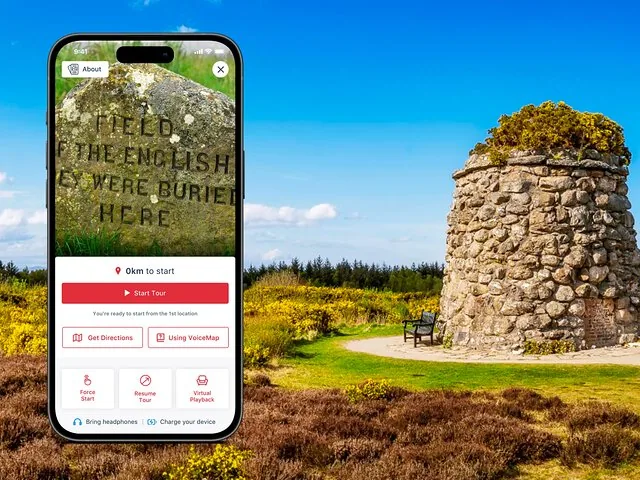
Memorial Cairn
10 mins
A large stone monument built in 1881 by Duncan Forbes honors the fallen soldiers. It serves as the focal point for many commemorative events. Stop here to see the main tribute to the lives lost on the moor.
Explore
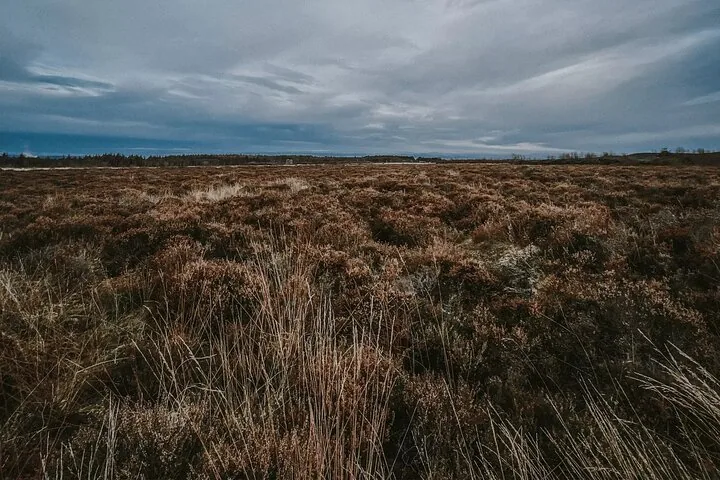
Walk the emotive moorland where the 1745 Jacobite Rising ended on April 16, 1746.
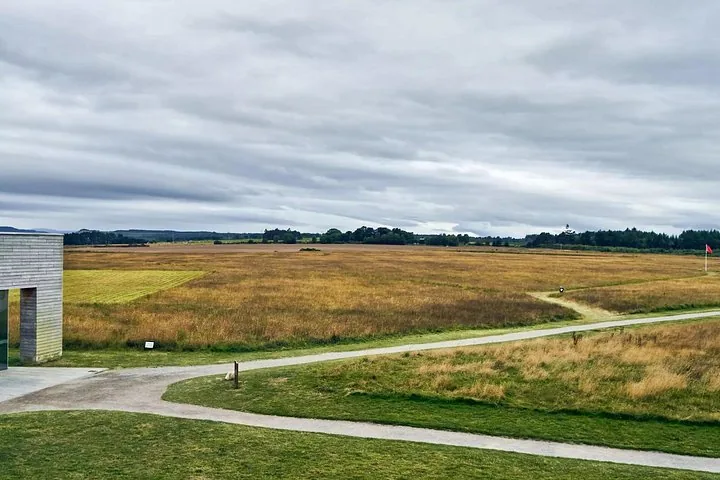
The battlefield is a free-to-walk site open daily year-round. It features restored battle lines, mass clan graves, and historic markers showing where roughly 1,600 men died in less than an hour.
10 mins
A large stone monument built in 1881 by Duncan Forbes honors the fallen soldiers. It serves as the focal point for many commemorative events. Stop here to see the main tribute to the lives lost on the moor.
20 mins
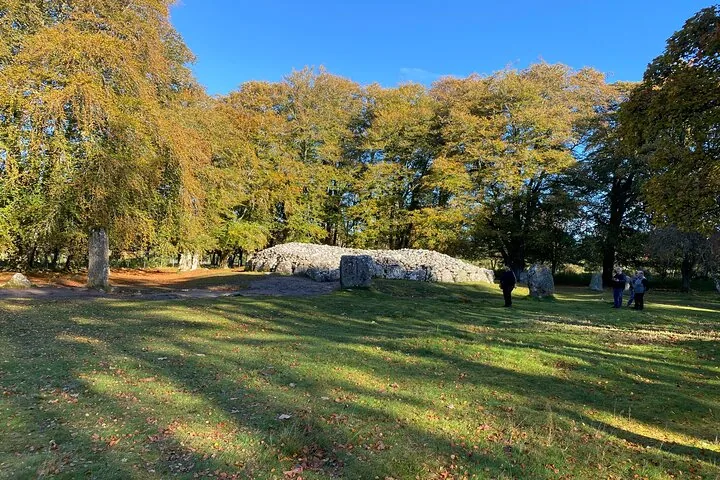
Headstones mark the mass burial sites of the fallen Jacobite clans. You will find markers for specific families, including Clan Fraser and Clan Mackintosh. These graves sit close together along the designated walking paths.
10 mins
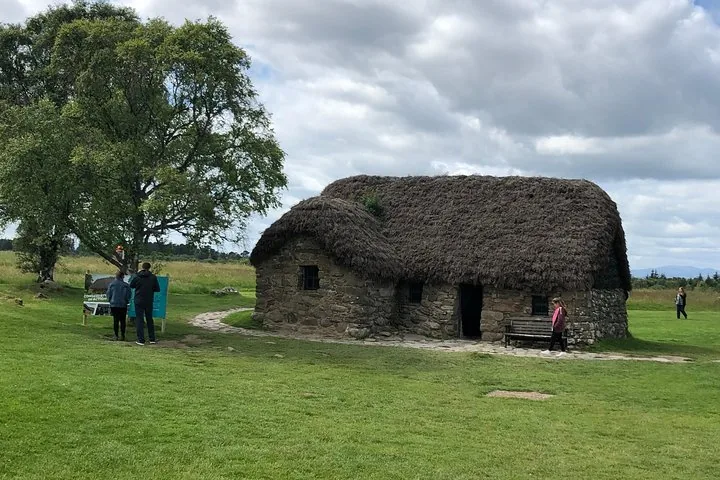
This restored 18th-century thatched cottage served as a field hospital during the battle. Look closely at the rare hanging lum and heather thatch roof. It offers a glimpse into local structures during the 1740s.
30 mins
Red flags show the Government lines, while blue flags mark the Jacobite front line. Walk the distance between the two sides to understand the reality of the Highland charge. The flag layout gives clear physical context to the conflict.
10 mins
This area is traditionally believed to be the burial site of the Government soldiers. The location contrasts with the grouped clan graves of the Jacobites. Only about 50 Government troops died during the battle.